
Blog, Blog & Event
Plasma Surface Treatment: A Game-Changer for the Printing Industry
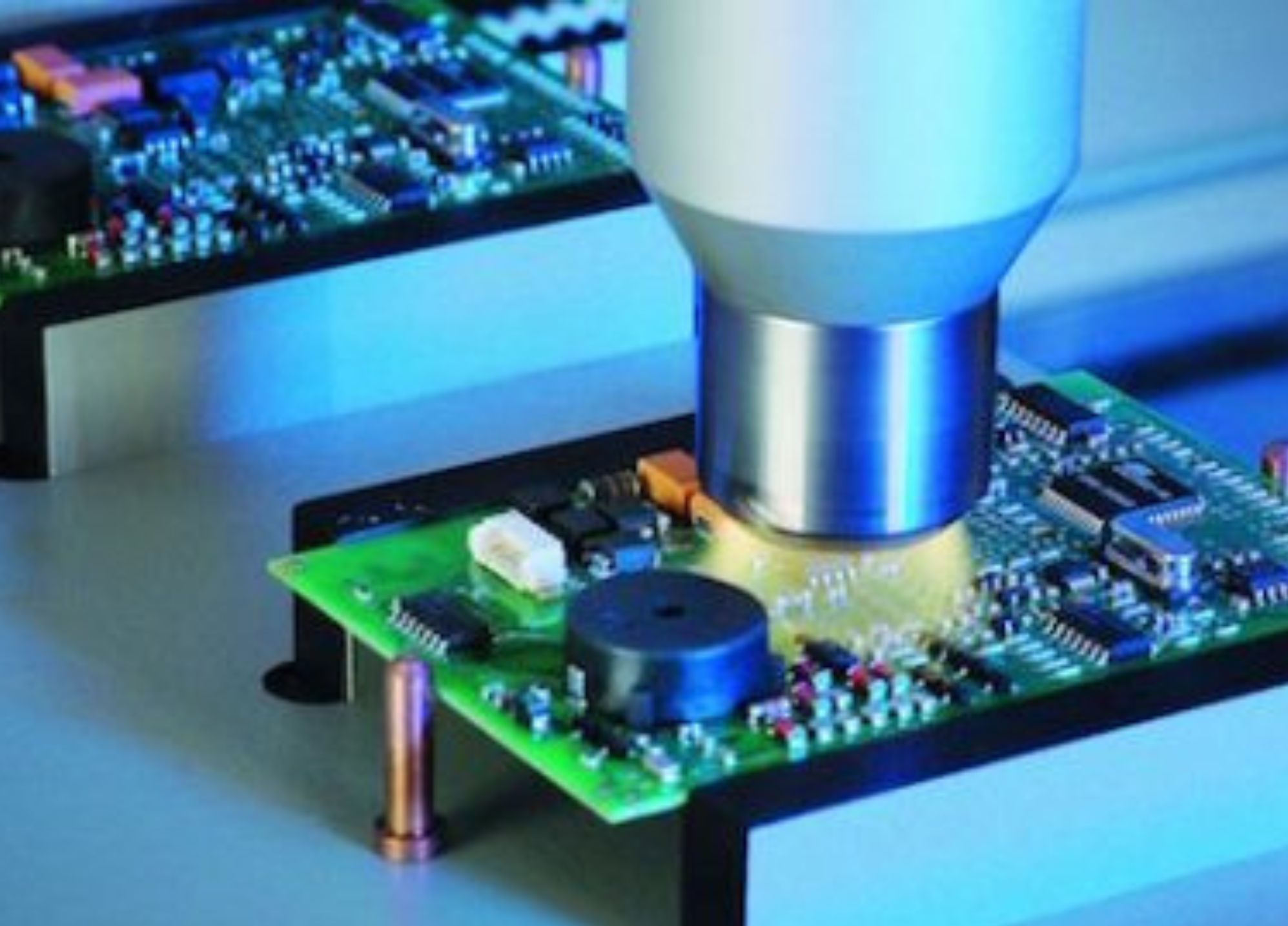
Plasma surface treatment is a cutting-edge technology that is rapidly gaining traction in various industries, and the printing sector is no exception. By modifying the surface properties of materials, plasma treatment can significantly enhance the quality and efficiency of printing processes.
Understanding Plasma Surface Treatment
Plasma is a highly energized state of matter consisting of ions, electrons, and neutral particles. When applied to a surface, it creates a reactive environment that can remove contaminants, increase surface energy, and modify the chemical composition of the material.
Benefits of Plasma Surface Treatment for Printing
- Improved Ink Adhesion: One of the most significant advantages of plasma treatment is its ability to enhance ink adhesion to various substrates. By creating a hydrophilic surface, plasma treatment ensures that ink droplets spread evenly and penetrate the material more effectively, resulting in sharper images and reduced ink smudging.
- Enhanced Print Quality: Plasma treatment can improve the overall print quality by removing impurities and contaminants from the substrate surface. This leads to better color accuracy, reduced dot gain, and improved image resolution.
- Increased Substrate Compatibility: Many printing processes are limited by the compatibility of inks with different substrates. Plasma treatment can make a wide range of materials, including plastics, metals, glass, and textiles, more receptive to inks, expanding the possibilities for print applications.
- Faster Drying Times: By increasing the surface energy of the substrate, plasma treatment can accelerate the drying process of inks, coatings, and adhesives. This can lead to increased productivity and reduced production time.
- Prepares for Subsequent Processes: In addition to improving ink adhesion, plasma treatment can also prepare substrates for subsequent processes such as coating, lamination, and bonding. This can streamline production and reduce the number of process steps.
Applications in the Printing Industry
Plasma surface treatment finds applications in various printing segments, including:
- Packaging Printing: Enhancing ink adhesion to plastic films, paperboard, and other packaging materials for high-quality and durable prints.
- Textile Printing: Improving ink penetration and colorfastness on fabrics, resulting in vibrant and long-lasting prints.
- Corrugated Board Printing: Enhancing ink adhesion to corrugated board for high-quality graphics and improved print quality.
- Digital Printing: Expanding the range of printable substrates and improving print resolution for digital printing applications.
Conclusion
Plasma surface treatment offers a multitude of benefits to the printing industry, from improved ink adhesion and print quality to increased substrate compatibility and faster drying times. By adopting this technology, printers can enhance their production processes, expand their product offerings, and deliver superior quality prints to their customers.