
Blog, Blog & Event
Atmosphere Plasma Cleaning: A Breakthrough in Electronics Manufacturing
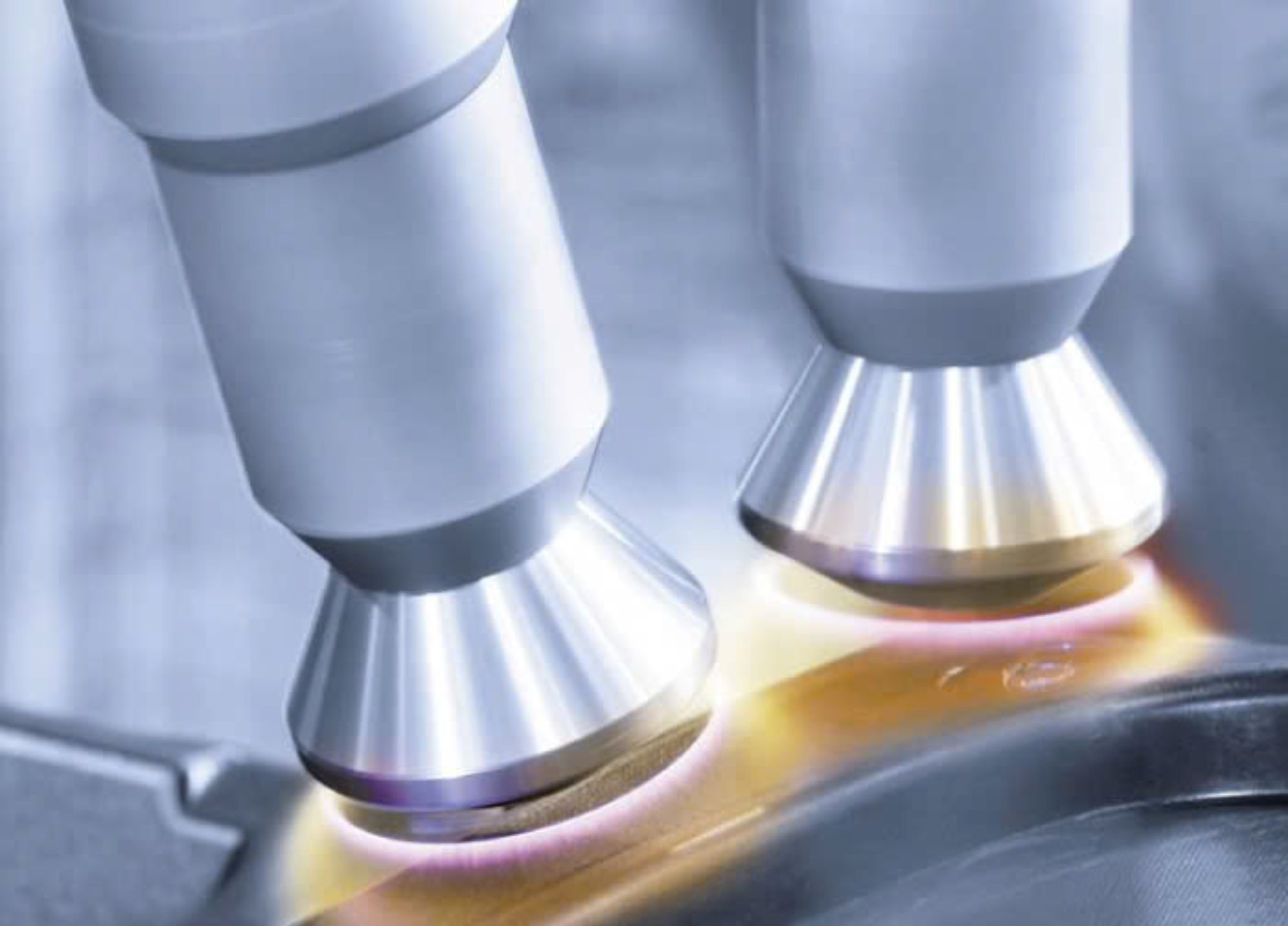
Understanding Atmosphere Plasma Cleaning
Atmosphere plasma cleaning is a cutting-edge technology that has revolutionized the electronics industry. It involves the use of ionized gas, or plasma, to effectively remove contaminants from surfaces. Unlike traditional cleaning methods, plasma cleaning offers a superior level of cleanliness, efficiency, and environmental friendliness.
How does it work?
The process begins by introducing a gas, such as oxygen or nitrogen, into a vacuum chamber. High voltage is then applied, creating a plasma state where the gas molecules are ionized. These highly reactive ions bombard the surface to be cleaned, removing organic and inorganic contaminants.
Benefits of Atmosphere Plasma Cleaning in Electronics
- Superior Cleanliness: Plasma cleaning excels at removing microscopic particles, oils, and other contaminants that can adversely affect electronic components. This level of cleanliness is crucial for ensuring optimal performance and reliability.
- Enhanced Adhesion: By creating a highly reactive surface, plasma treatment improves the adhesion of subsequent coatings, such as adhesives, paints, and inks. This is essential for various electronic components and assemblies.
- Uniformity: Plasma cleaning provides a consistent and uniform cleaning effect across the entire surface, eliminating the risk of uneven cleaning associated with other methods.
- Environmental Friendliness: Unlike traditional cleaning solvents, plasma cleaning is a dry process that generates minimal waste and harmful emissions. It is a sustainable and eco-friendly solution.
- Versatility: Atmosphere plasma cleaning can be applied to a wide range of materials, including metals, plastics, ceramics, and glass, making it suitable for various electronic components and assemblies.
Applications in the Electronics Industry
Atmosphere plasma cleaning finds extensive applications in the electronics industry, including:
- Semiconductor manufacturing: Cleaning wafers and other components to remove particles and contaminants that can affect device performance.
- Printed circuit board (PCB) production: Enhancing the adhesion of solder paste and other coatings for reliable connections.
- Display manufacturing: Improving the surface properties of display panels for better image quality and durability.
- Medical device manufacturing: Ensuring the cleanliness of components used in medical devices to prevent contamination.
Conclusion
Atmosphere plasma cleaning has emerged as a game-changer in the electronics industry. Its exceptional cleaning capabilities, environmental benefits, and versatility make it an indispensable technology for achieving high-quality and reliable electronic products. As the industry continues to advance, plasma cleaning will undoubtedly play an even more significant role in shaping the future of electronics manufacturing.